By Lily, Master Knitter & Amigurumi Designer
Looking to dive into the wonderful world of yarn crafting? Have you ever picked up a ball of yarn and wondered what magical creations could spring from your fingertips? You are certainly not alone!
The world of knitting and crochet patterns can seem slightly overwhelming at first glance—all those mysterious abbreviations, intricate charts, and complex techniques. But do not worry, I have got your back! Whether you are a complete novice who doesn’t know a knit stitch from a purl or an intermediate crafter looking to level up your skills, this step-by-step guide will help you make sense of it all.
There is something incredibly satisfying about transforming a simple strand of string into a gorgeous garment or a cuddly toy. Let’s dive into everything you need to know about navigating the fiber arts, alongside my top curated pattern picks from Creative Fabrica to get you started!
As an Amazon Associate I earn from qualifying purchases. Please note that I may link to products I genuinely trust, and if you decide to purchase through those links, I may earn a commission at no extra cost to you.

1. Turtle Crochet Pattern Amigurumi PDF
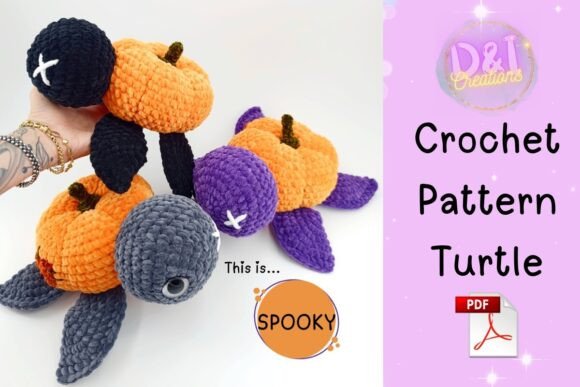
If you are ready to venture into 3D shaping, this adorable sea turtle pattern is the perfect gateway into the world of amigurumi. Working in continuous rounds rather than flat rows teaches you how to create structured, dimensional fabric.
The detailed PDF breaks down the turtle shell and flippers into highly manageable pieces, making it a delightfully low-stress project for ambitious beginners.
Lily’s In-Depth Recommendation:
Tension Control: When crocheting amigurumi, always use a hook size slightly smaller than what the yarn label suggests (e.g., use a 3.5mm hook for worsted weight yarn). This keeps the stitches drum-tight so the polyfill stuffing doesn’t show through!
Yarn Selection: Choose mercerized cotton for the turtle shell to give it a beautiful, crisp geometric definition.
Safety First: If making this for an infant, replace the plastic safety eyes with simple black French knots.
Understanding Pattern Basics: Decoding the Language of Yarn
Have you ever opened a knitting or crochet pattern and felt like you are reading a highly classified encrypted document? Those abbreviations and symbols can make your head spin! But once you crack the code, you will realize that patterns follow a highly logical structure designed to guide your hands precisely through every single step.
Breaking Down Pattern Components:
- Materials List: Specifies the exact type, weight, and yardage of yarn, alongside necessary needle/hook sizes.
- Gauge Information: Indicates how many stitches and rows fit into a standard 4×4 inch square. This is critical for ensuring your garment actually fits!
- Abbreviations Used: A legend explaining shorthand terms (like sc for single crochet, or k2tog for knit two together).
- Written Instructions & Schematics: The actual step-by-step rows and visual blueprints of the finished pieces before assembly.
2. Dinosaur Crochet Pattern Amigurumi PDF
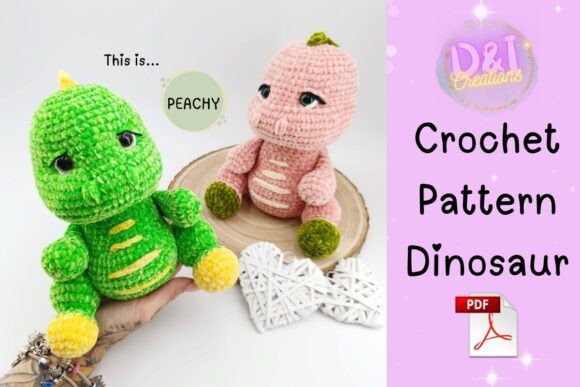
Who can resist a chubby little dinosaur? This vibrant amigurumi pattern is expertly graded for confident beginners looking to practice color changes and slightly more complex limb attachments.
The detailed PDF provides wonderful visual aids for stitching the dorsal spikes securely along the back, resulting in a robust, huggable toy that will survive plenty of playroom adventures.
Lily’s In-Depth Recommendation:
Invisible Decreases: When narrowing the dinosaur’s neck and tail, use the “invisible decrease” technique (working through the front loops only) to eliminate bulky bumps on the fabric surface.
Balance Trick: Pack the stuffing densely into the base of the dinosaur’s tail. This acts as a counterweight so the heavy head doesn’t cause the toy to tip forward when sitting on a shelf!
Color Blocking: Use neon contrasting colors (like bright lime green and electric blue) to give the dino a playful, modern aesthetic.
Choosing the Right Patterns for Your Skill Level
Let’s be real—jumping into an advanced lace shawl when you have just learned how to cast on is a recipe for tears and frustration! One of the most common pitfalls for beginners is selecting patterns that are leaps and bounds beyond their current technical abilities.
Beginner-friendly patterns typically feature simple geometric shapes, basic stitches, and minimal shaping. Think chunky scarves, dishcloths, or simple beanies that allow you to practice fundamental techniques while completing a project relatively quickly. Building your skills progressively will lead to much more satisfying, beautiful results.
3. All Seasons Friends Crochet Doll Pattern
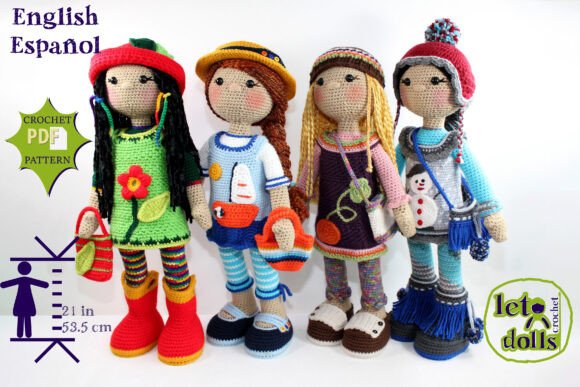
Doll making is a beloved sub-genre of amigurumi, and this versatile pattern set is the absolute pinnacle. It features a universal base doll pattern accompanied by distinct clothing patterns to match every season of the year.
It teaches you how to execute delicate facial embroidery, latch-hook yarn hair securely, and create removable crochet garments—skills that instantly elevate you from a beginner to a highly confident intermediate maker.
Lily’s In-Depth Recommendation:
Neck Stability: Crochet dolls are notorious for having “floppy head syndrome.” Insert a lightweight wooden dowel or a thick craft pipe cleaner through the neck column into the head to keep it perfectly upright.
Clothing Gauge: When crocheting the removable outfits, switch to a hook size 0.5mm larger than what you used for the doll’s body. This ensures the sweaters slide over the doll’s arms effortlessly.
Custom Hair: Use a slick-er brush on acrylic yarn strands to brush them out into fluffy, realistic-looking doll hair!
Free vs. Paid Patterns: What is Worth Your Money?
The internet is bursting with free patterns from blogs and yarn company websites. Free patterns can be fantastic resources, especially for beginners testing the waters. However, they may sometimes lack thorough tech-editing, step-by-step photos, or multiple size gradations.
Paid patterns, on the other hand, typically undergo rigorous testing processes across multiple skill levels and sizes. When you purchase a premium digital PDF, you are compensating a designer for their expertise, getting guaranteed stitch counts, detailed schematics, and often direct email support if you get stuck. It is an investment in your own frustration-free crafting time!
4. Seal Crochet Pattern Amigurumi PDF
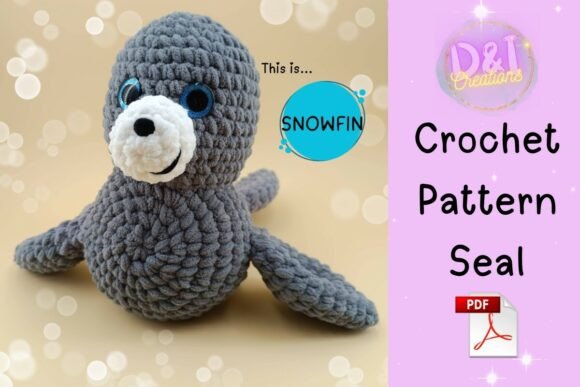
This sweet, streamlined seal pup relies heavily on clever shaping rather than complex colorwork. It is a brilliant masterclass in continuous increasing and decreasing to create organic, sloping animal silhouettes.
With very few separate pieces to sew together (mostly just the side flippers), it is highly satisfying for makers who despise the assembly phase of toy making.
Lily’s In-Depth Recommendation:
Plush Yarn: Ditch the standard acrylic and crochet this seal using a super-bulky velvet or blanket yarn (like Bernat Blanket). The fuzzy texture mimics a real harbor seal pup beautifully!
Facial Sculpting: Use a long tapestry needle to pull a thread tightly from the eyes to the base of the chin. This “sculpts” the face, giving the seal a deep, endearing eye socket.
Market Bestseller: These quick-to-make, chunky plushies sell exceptionally well at winter holiday craft fairs.
Making Sense of Pattern Terminology and Abbreviations
Knitting and crochet each have their own distinct language. In knitting patterns, you will encounter terms like k (knit), p (purl), yo (yarn over), and ssk (slip, slip, knit). Crochet patterns use abbreviations such as sc (single crochet), dc (double crochet), ch (chain), and sl st (slip stitch).
Learning these fundamental terms is exactly like acquiring the alphabet of your chosen craft—once mastered, they become completely second nature. Most premium patterns include a clear legend specifically for the abbreviations used in that document.
5. Knitting Paper / Seamless Patterns
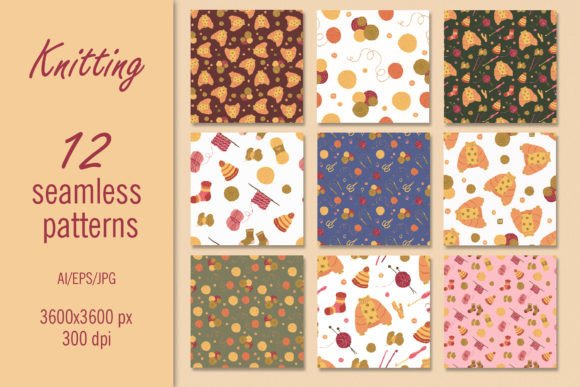
Stepping slightly away from physical yarn, this incredibly versatile digital asset brings the cozy, tactile aesthetic of cable knits straight into your graphic design toolkit.
Because these high-resolution digital papers are genuinely seamless, you can tile them indefinitely across web backgrounds or large-format printing without ever showing a harsh, disjointed border.
Lily’s In-Depth Recommendation:
Print-on-Demand: Upload these seamless textures to Spoonflower to print your own custom fabric. It is perfect for sewing project bags for your works-in-progress.
Digital Planners: If you sell GoodNotes templates on Etsy, use these cozy knit textures to create beautiful cover pages for winter digital journals.
Sublimation: Press this knitted texture onto the background of blank ceramic coffee mugs before adding a witty crafting quote over top!
Reading Charts vs. Written Instructions: Finding Your Preference
Some folks are visual learners, while others prefer written instructions. Pattern charts use symbols to represent different stitches, creating a literal visual map of how your project should look. Written instructions provide step-by-step sequential text.
Charts are particularly useful for lace knitting, heavy colorwork, and complex crochet mandalas, as they make it much easier to visualize the spatial relationship between stitches. Many high-quality patterns include both formats, allowing you to use whichever method clicks better with your brain!
6. 3D Knitting Yarn Fabric Digital Paper
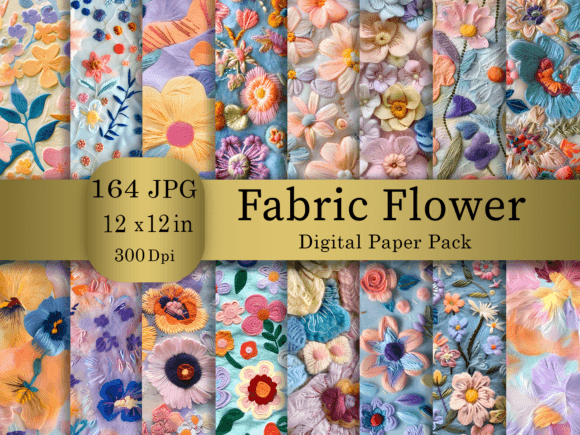
This stunning digital bundle takes the knitted aesthetic to a hyper-realistic level. Featuring extreme macro close-ups of chunky wool stitches, the 3D shadows and highlights make these graphics pop directly off the screen.
It is an essential asset for digital scrapbookers or small business owners looking to elevate their seasonal marketing materials with authentic, premium textures.
Lily’s In-Depth Recommendation:
Product Photography: Print these ultra-high-resolution papers to use as textured flat-lay backdrops when photographing your own handmade amigurumi or jewelry for Instagram.
E-book Covers: If you are self-publishing your own written knitting patterns, layer these 3D textures behind clean, modern typography for an incredibly professional cover design.
Holiday Cards: Use these textures as the background matte for printing custom winter family greeting cards.
Modifying Patterns to Suit Your Needs
Here is a craft industry secret: even the most experienced knitters and crocheters rarely follow patterns exactly as written! The beauty of handcrafting is the ability to customize projects to match your exact preferences, fit requirements, or available stash yarn.
However, successful modifications require understanding how changes affect the finished project. For example, using a thicker yarn than called for will result in a significantly larger item unless you recalculate your stitch count. Always remember to knit or crochet a gauge swatch before committing to a major modification!
7. Sunflower Granny Square Pattern
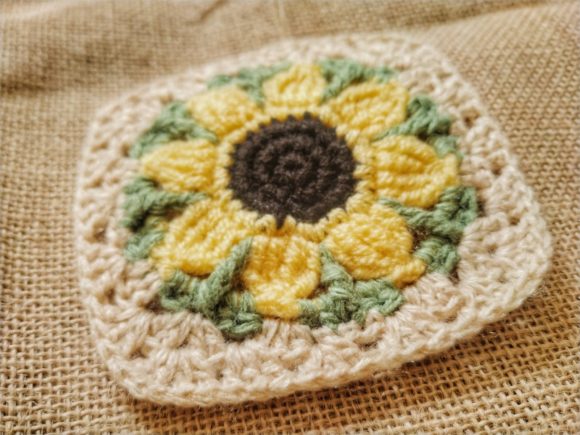
The granny square is an absolute cornerstone of crochet, and this vibrant sunflower variation injects instant sunshine into the classic motif. It bridges circular floral centers seamlessly into geometric square borders.
It is a brilliant stash-busting project. Once you memorize the short, repetitive rounds, you can produce dozens of these squares effortlessly while watching evening television.
Lily’s In-Depth Recommendation:
Textured Petals: To make the sunflower petals literally pop off the fabric, work them using a dense puff stitch or cluster stitch rather than standard double crochets.
Blocking is Mandatory: Floral centers naturally hold tension that causes the square to warp. Steam block your squares on a wooden pegboard to stretch the corners into perfect 90-degree angles before joining them into a blanket.
Tote Bag Assembly: Join 13 of these completed squares using a flat slip-stitch seam to construct a highly trendy, durable summer market tote bag.
Troubleshooting Common Pattern Problems
Even experienced crafters run into head-scratching moments. Those “wait, what?” moments are completely normal. Common issues include stitch counts that don’t match the instructions, or unexpected results that simply look wrong compared to the pattern photos.
When you hit a roadblock, step back. Double-check that you haven’t missed a hidden increase row. Sometimes the issue isn’t your technique, but the pattern itself! Reputable designers regularly publish errata (corrections) on their websites. Before assuming you have ruined the project, check if there is a known typo in the document.
8. Color Block Garter Beanie
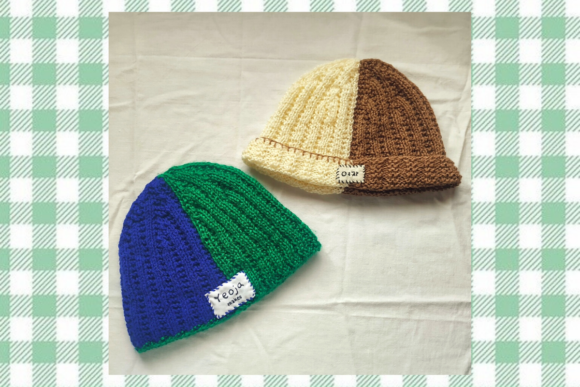
This bold, architectural beanie is the absolute ultimate beginner knitting project. Worked entirely in the garter stitch (knitting every single row), it produces a squishy, intensely warm winter accessory with a modern color-blocked aesthetic.
Because you don’t have to alternate between knits and purls, you can focus purely on maintaining steady tension and learning how to introduce a new ball of yarn seamlessly.
Lily’s In-Depth Recommendation:
Color Transitions: To avoid harsh, jogged lines when changing colors in garter stitch, always ensure you introduce the new color on the Right Side (RS) of the work.
Stretchy Bind-Off: Garter stitch is naturally very stretchy. Use a suspended bind-off or a stretchy sewn bind-off so the brim of the hat remains elastic and fits comfortably over the ears.
Yarn Pairing: Choose a chunky merino wool blend. The thickness means you can finish this hat in a single evening!
9. Cute Cat Crochet Amigurumi PDF Pattern
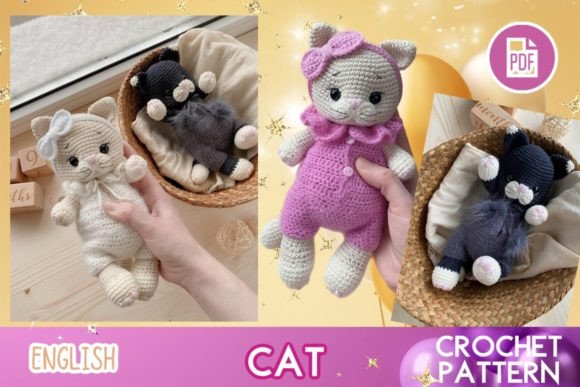
Melt hearts instantly with this irresistibly chubby feline design! This pattern teaches you how to shape subtle, rounded ears and attach a gracefully curving tail without compromising the toy’s overall structural stability.
The smooth, minimalist face relies entirely on expert embroidery placement, making it a wonderful exercise in adding character and expression to your fiber creations.
Lily’s In-Depth Recommendation:
Whisker Embroidery: Use just one single strand of black embroidery floss for the whiskers. Keep the stitches taut, but not so tight that they pinch the face inward.
Collar Detail: Crochet a tiny chain-stitch collar in a bright contrasting color (like cherry red) and attach a small craft bell for a beautiful, premium finishing touch.
Weighting: Put a small fabric pouch filled with poly-pellets in the very bottom of the cat’s body so it sits firmly on a desk without toppling over.
Final Thoughts: Your Yarn Crafting Journey Awaits
Whew! We have covered a lot of ground in this guide to knitting and crochet patterns. From understanding basic terminology to troubleshooting common issues, you are now equipped with the knowledge to approach patterns with absolute confidence.
Grab those needles or that hook, find a pattern that speaks to you, and dive in. Happy crafting!

Written by Lily
Master Knitter & Amigurumi Designer
I teach fiber artists and digital creators how to bridge the gap between physical craft and digital commerce. I focus on optimizing digital design assets, material selection, and smart production workflows so your handmade business remains profitable and deeply inspiring.
Affiliate Disclosure: This post contains affiliate links to Creative Fabrica. If you click through and make a purchase, I may receive a small commission at no extra charge to you. I only recommend design tools and asset bundles I trust and use daily in my own studio.