By Lily, Master Crochet Designer & Bag Construction Mentor
Whenever a new crocheter asks me for project advice, they are often surprised when I gently steer them away from traditional flat scarves. While a scarf sounds simple on paper, maintaining consistent edge tension across seventy inches of repetitive rows can quickly become tedious. A handmade bag, however, offers immediate creative gratification.
Bags are remarkably forgiving. If your gauge varies slightly on round three or an increase is placed off-center by a stitch, the structure absorbs it naturally. Best of all, you aren’t just making another practice swatch destined for the back of a craft closet—you are creating a practical, durable companion you can proudly take out into the world.

In this comprehensive beginner’s guide to your first crochet bag, we will explore the essential non-stretch materials, the core construction techniques, and 6 beginner-friendly, high-texture patterns from Creative Fabrica that deliver boutique-worthy results from your very first project.
The 3 Foundation Rules for Structural Bag Success
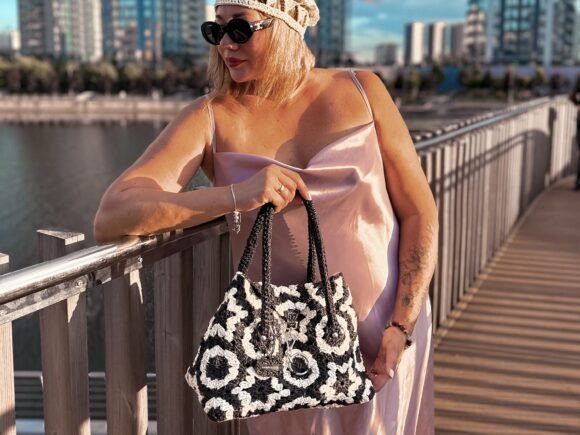
Crocheting a handbag requires a different mechanical approach than making garments or blankets. While blankets celebrate soft, airy drape, a bag must withstand the physical downward pull of keys, phones, and water bottles without stretching out of proportion.
Keep these three rules in mind before casting on your foundation chain:
Lily’s Core Bag Architecture Rules:
- Work with Non-Elastic Cellulose or Cord: Avoid pure acrylic or delicate animal fibers for everyday totes. Choose 100% mercerized cotton, cotton-linen blends from LoveCrafts, or braided cord. Natural plant cellulose has near-zero vertical stretch under load.
- Size Down Your Hook for Dense Walls: If your yarn band suggests a 5.0mm hook, drop down to a 4.0mm or 4.5mm hook. A firmer gauge creates tight, opaque walls that prevent pens, lip balms, and keys from poking through the fabric.
- Reinforce the Strap Joins: Where the handle anchors to the bag rim takes 90% of the daily strain. Always secure handles with slip stitches across several rows and back-tack internal reinforcement threads rather than relying on a single yarn loop.
Explore More Wardrobe Essentials:
→ 7 Free Crochet Market Bag Patterns: Eco-Friendly Grocery Totes
6 Gorgeous Beginner-Friendly Crochet Bag Patterns
Here is my curated selection of 6 accessible, highly practical bag designs from Creative Fabrica, complete with my honest structural notes and yarn advice.
1. The Meadows Bag Crochet Pattern

The Meadows Bag captures the breezy charm of a wildflower field in a structured, practical carryall. Built with subtle openwork stitches framed by solid borders, this tote expands naturally to hold an afternoon haul of fresh produce, library books, or your current yarn project.
The pattern walks beginners through working in continuous rounds, building from a solid base upward into the decorative body. Integrated shoulder straps ensure that weight is distributed across the entire side panel rather than pulling on a single seam.
Lily’s In-Depth Recommendation:
Yarn Selection: Choose 100% unmercerized cotton (such as Lily Sugar ‘n Cream or Paintbox Cotton Aran). Unmercerized cotton grips firmly onto itself, giving the openwork body resilience against sagging under heavy loads.
Handle Anti-Stretch Tip: Crochet two rounds of tight slip stitches along the inner curve of both handles once the bag is complete. This simple step acts like an internal reinforcement cable, locking the strap drop permanently.
Market Selling Note: Neutral shades like oatmeal, sage, and ecru appeal strongly to eco-conscious shoppers; these make fantastic, high-margin craft market bestsellers priced at $35 to $45.
2. Starboard Tote Crochet Pattern

Crisp nautical striping meets heavy-duty everyday utility in the Starboard Tote. Featuring a clean rectangular silhouette and reinforced flat base, this tote is engineered to stand proudly on car floors or cafe benches without falling over.
The design utilizes dense single and half-double crochet stitchwork, resulting in a thick, opaque canvas-like fabric. The pattern provides row-by-row instructions and clear color-change checkpoints that make seamless horizontal striping easy to achieve.
Lily’s In-Depth Recommendation:
Color Changes: Always switch to your new color on the final yarn-over of the previous stitch. This prevents jagged, stepped edges across your horizontal stripes, giving the bag a professional, store-bought finish.
Base Stiffening Secret: Cut a small rectangle of plastic craft canvas to match the bottom dimensions and sandwich it beneath a sewn cotton lining. The base will remain flat even when holding laptops or water bottles.
Rope Handle Upgrade: Instead of crocheting plain straps, thread 1/2-inch nautical cotton rope through metal grommets at the top rim for high-end coastal style.
3. Small Clutch Crochet Pattern PDF Digital

If you want immediate gratification, this tailored clutch purse is the project to pick. Built around a simple folded rectangle with an envelope-style flap, it works up in under three hours and serves as the perfect handmade accessory for dinner dates or weddings.
The stitch pattern creates a woven, linen-like texture with minimal stretch. The digital PDF includes clear sizing guidance and instructions for mounting a button or magnetic snap closure without puckering the flap.
Lily’s In-Depth Recommendation:
Tension & Gauge: Use a 3.5mm hook with worsted cotton to keep your stitches compact. A firm gauge guarantees the envelope flap remains crisp and flat without curling upward at the corners.
Lining with Pocket: Hand-sew a cotton or satin lining with a small internal card slip pocket before seaming the sides. The lining adds boutique polish and protects your items from snagging on yarn loops.
Detachable Chain Strap: Sew small D-rings inside the side seams to attach a detachable antique bronze chain strap, instantly converting this handheld clutch into an effortless crossbody.
4. Crochet Pattern Bow Easy Egg Bag PDF

Playful curves meet feminine vintage charm in this unique rounded egg pouch. Crowned with an oversized sculptural bow, this bag adds an artistic statement to casual daytime outfits or weekend brunches.
The rounded profile is created through gentle, intuitive increases worked in the round, making it an excellent project for beginners looking to expand beyond simple flat rectangles. The pattern provides clear row counts and shaping checkpoints.
Lily’s In-Depth Recommendation:
Bow Rigidity Hack: Use a half-size smaller hook when crocheting the bow piece. Dense stitches allow the bow loops to stand perky and full without needing stiffening sprays or internal wires.
Yarn Recommendation: Work this in a smooth mercerized cotton yarn like MillaMia Naturally Soft Cotton from LoveCrafts. Mercerized cotton gives the curved surface a satiny, reflective sheen that photographs gorgeously.
Color Pairings: Pastel buttercup yellow with a cream bow or dusty rose with charcoal creates a chic, feminine contrast.
5. Crochet Pattern Granny Square Belt Bag

Vintage motif heritage meets modern hands-free street fashion! By assembling modular floral granny squares into a compact waist pack, this pattern turns traditional crochet into an edgy, festival-ready accessory.
The modular construction makes it exceptionally portable—you can crochet individual squares on your commute and assemble the bag in a single evening. The pattern includes clear instructions for installing a top zipper and an adjustable webbing belt.
Lily’s In-Depth Recommendation:
Motif Joining: Avoid sewing squares with a yarn needle; hand-sewn joins tend to stretch under load. Join your motifs on the wrong side with slip stitches through back loops only to create an internal structural rib.
Lining & Zipper: A sewn interior lining is essential here so keys do not push between granny cluster openings. Sew the zipper tape directly to your fabric lining first, then whipstitch the assembly inside the bag.
Stash-Busting: Use leftover 5-yard remnants from past projects for the flower centers, unifying the bag with a solid black or cream border.
6. Tote with Leaves Crochet Pattern

Botanical relief stitches sculpt an elegant canopy of raised leaves across the body of this sturdy tote. The textured post stitches create natural structural ribbing that reinforces the side walls, preventing sagging.
The generous interior capacity makes it a fantastic everyday carryall for books, yarn projects, or farmers market produce. Clear stitch charts help confident beginners master the leaf reliefs with ease.
Lily’s In-Depth Recommendation:
Yarn Selection: Stitch this in an unmercerized worsted cotton (like Paintbox Cotton Aran). The matte texture highlights leaf shadows and raised post-stitch veins beautifully.
Handle Attachment: Work the handles in thermal single crochet and anchor them 4 rows below the top rim for optimal load distribution.
Palette Choice: Muted moss green, forest spruce, or warm acorn tan emphasize the organic woodland aesthetic.
How to Wash and Care for Handmade Bags
Because bags handle market counters, bus seats, and car floors, proper maintenance preserves their showroom appearance:
Lily’s Fiber Care Protocol:
- Cotton & Linen Totes: Machine wash cold inside a mesh delicates bag. Reshape the corners and base firmly while damp and dry flat across clean bath towels. Avoid high-heat tumble dryers to preserve strap elasticity.
- Polypropylene & Nylon Cords: 100% water and stain repellent! Wipe surface smudges with a microfiber cloth dipped in warm soapy water; it air-dries completely in under ten minutes.
- Beaded & Structured Bags: Never submerge in water! Spot clean stains with gentle Castile foam and keep metal hardware dry to prevent tarnishing.
Carry Handmade Pride with Every Step
There is an unmatched thrill when someone stops you on the street to compliment your handbag, and you get to smile and say: “Thank you, I made it myself.”
Pick your favorite pattern, grab a sturdy hook, and start stitching your new everyday companion today!

Written by Lily
Crochet Designer & Bag Construction Mentor
I teach crafters how to build functional, heirloom-quality bags and wearables. I focus on negative ease, load-bearing strap engineering, and sustainable fibers so your handmade items last for decades.
Affiliate Disclosure: This post contains affiliate links to Creative Fabrica, LoveCrafts, and Amazon. If you click through and make a purchase, I may receive a small commission at no extra charge to you. I only recommend premium tools, digital charts, and yarn I trust and use daily.